
Home > Products > Screening Machine > Laboratory Sieve Shaker
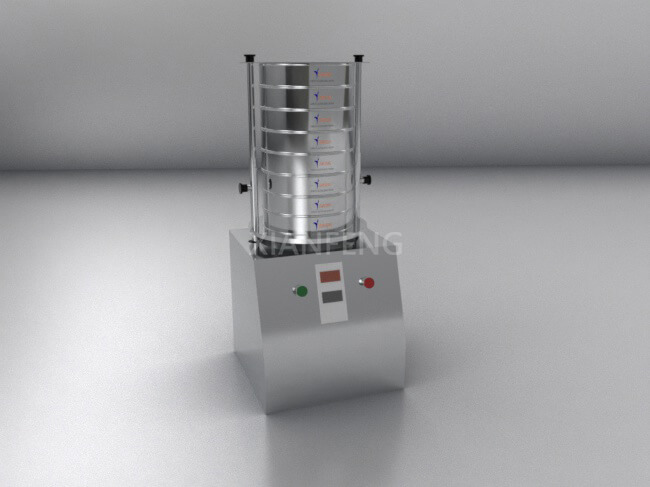
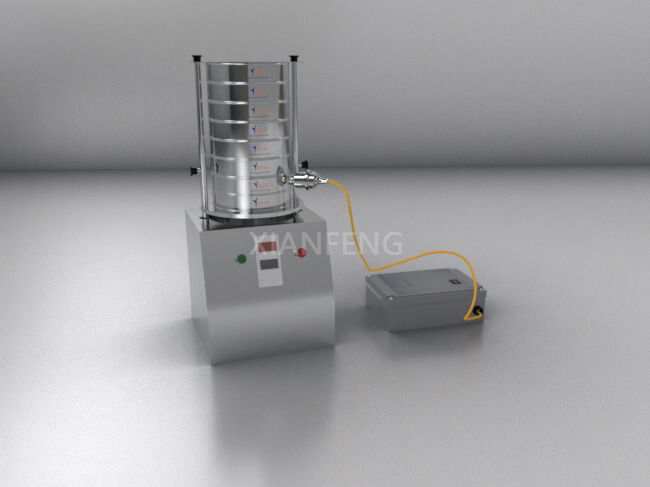
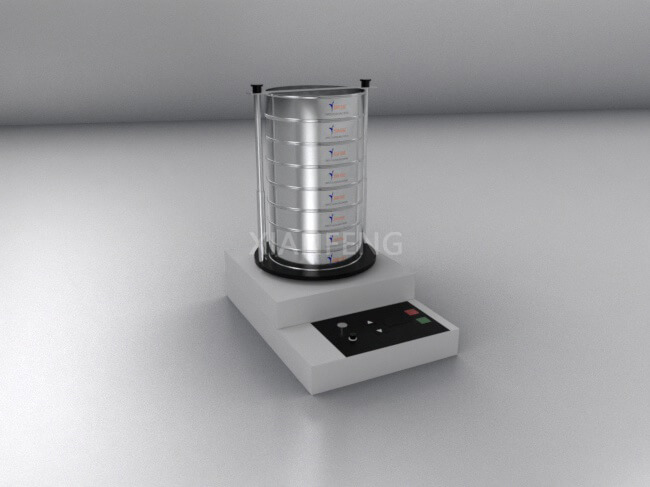
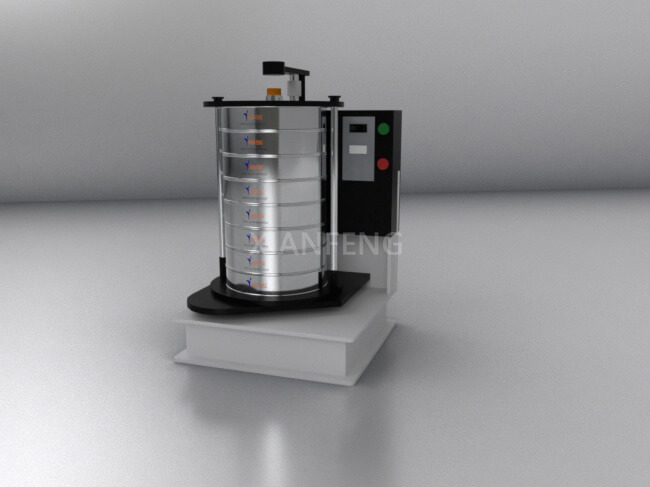
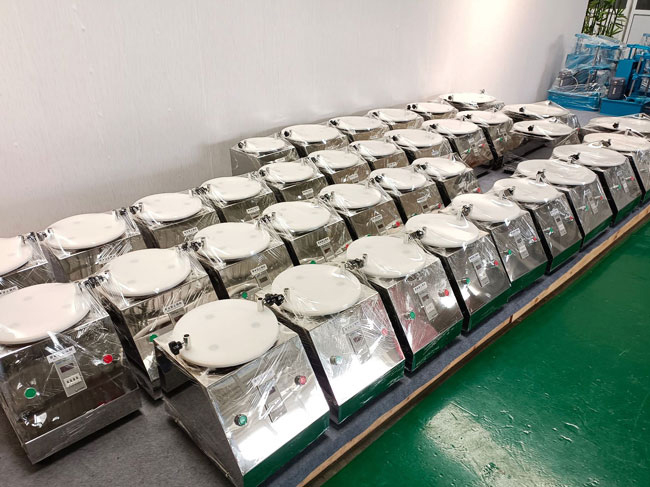
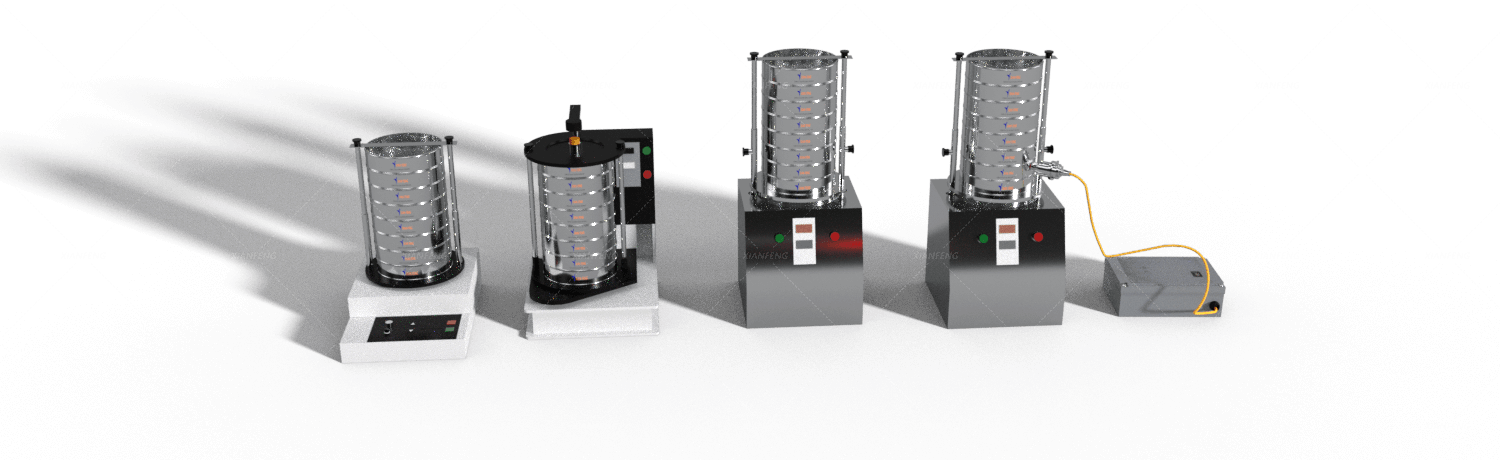
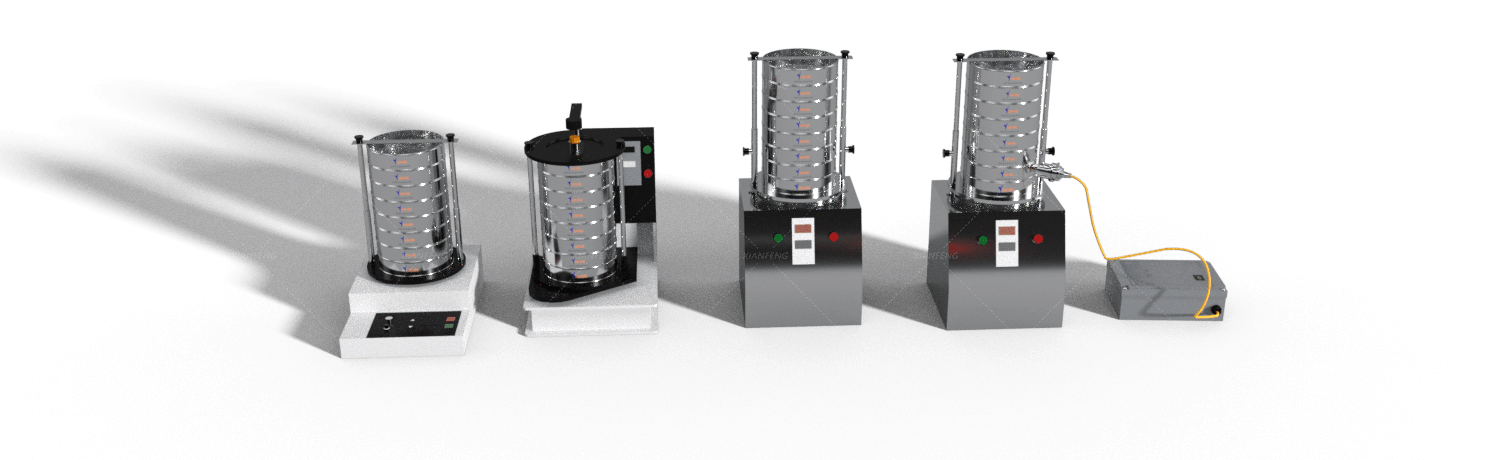
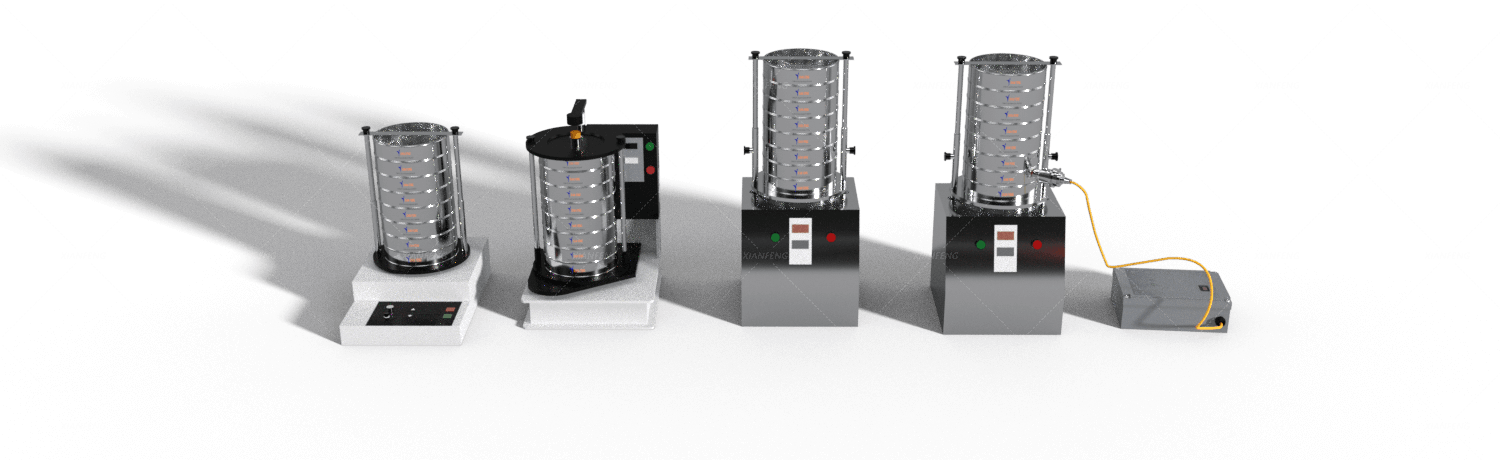
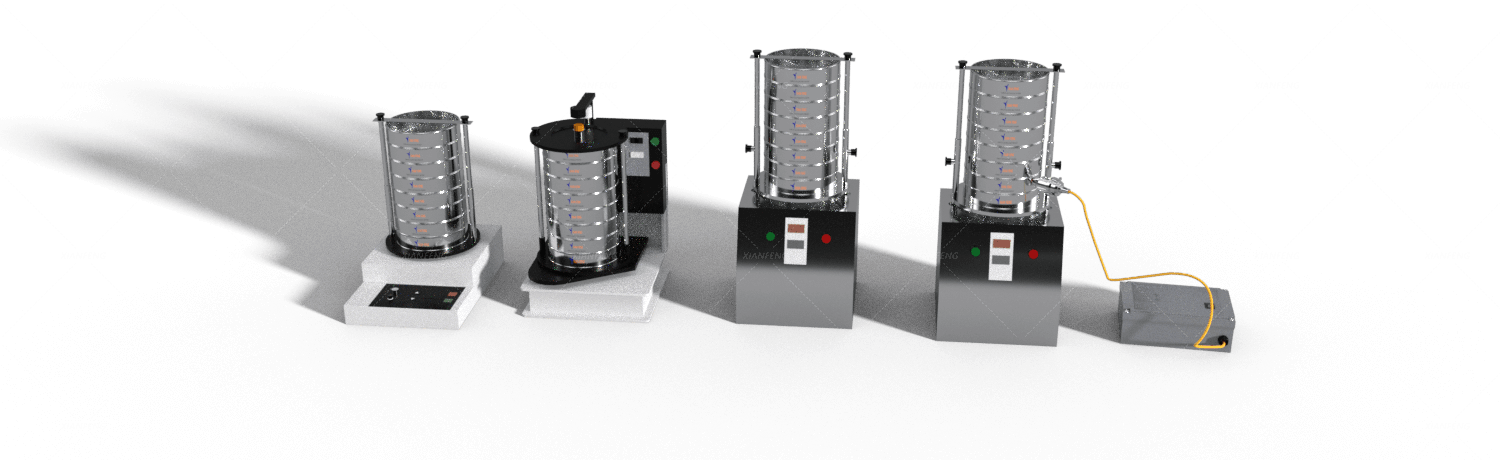
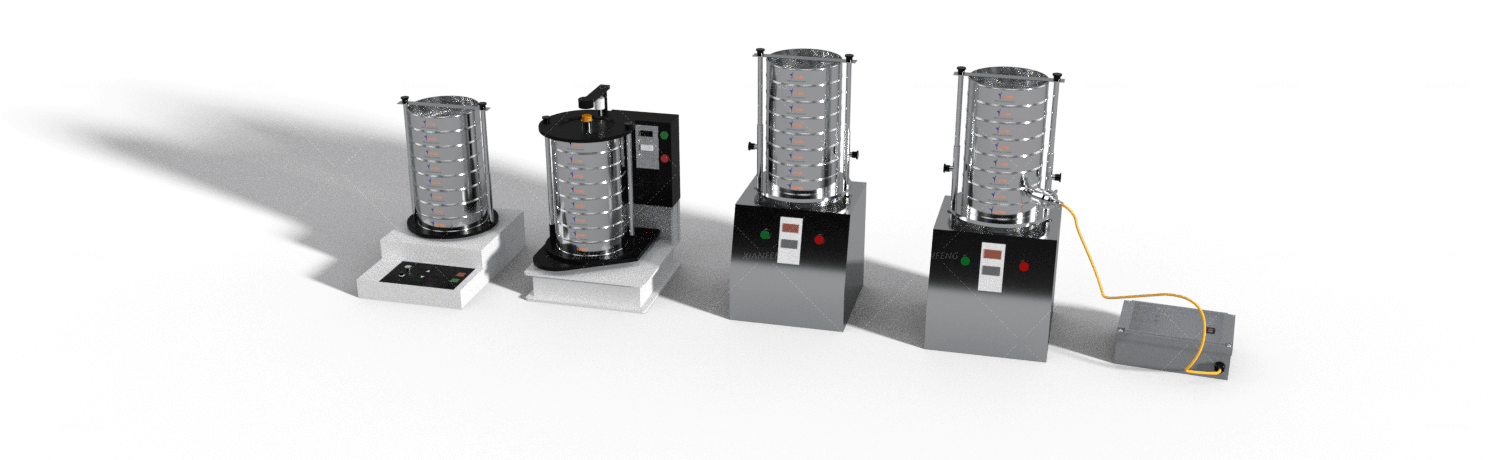
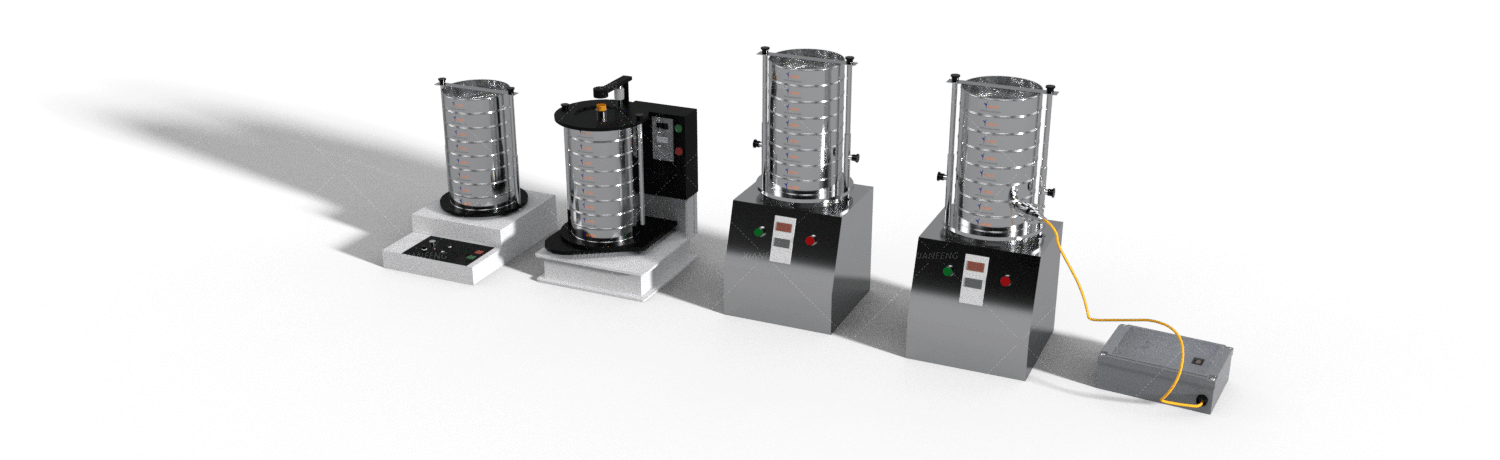
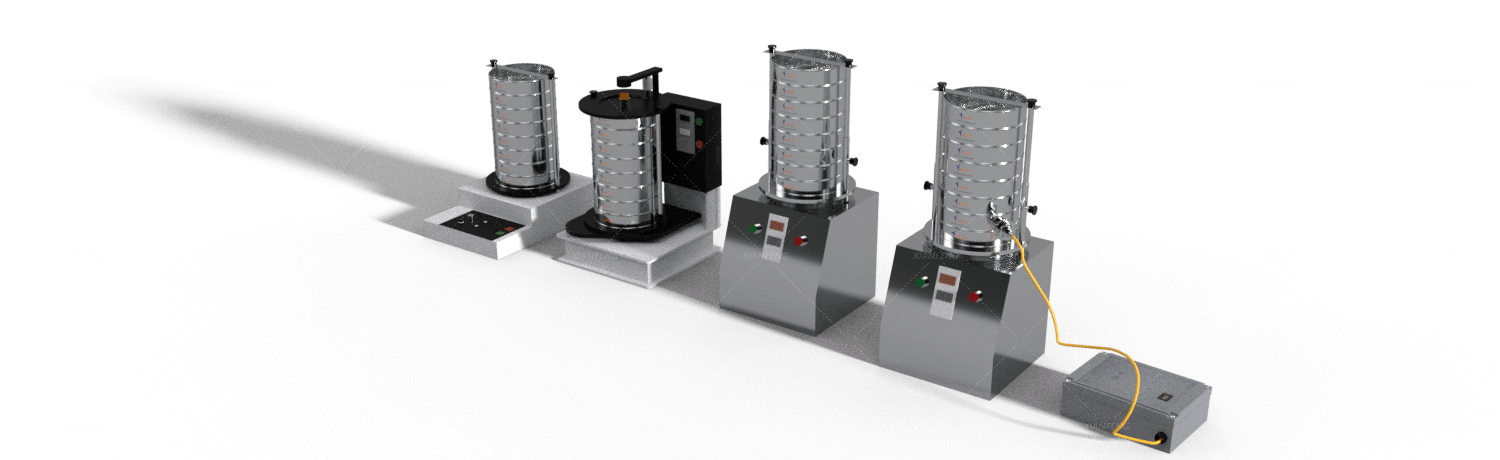
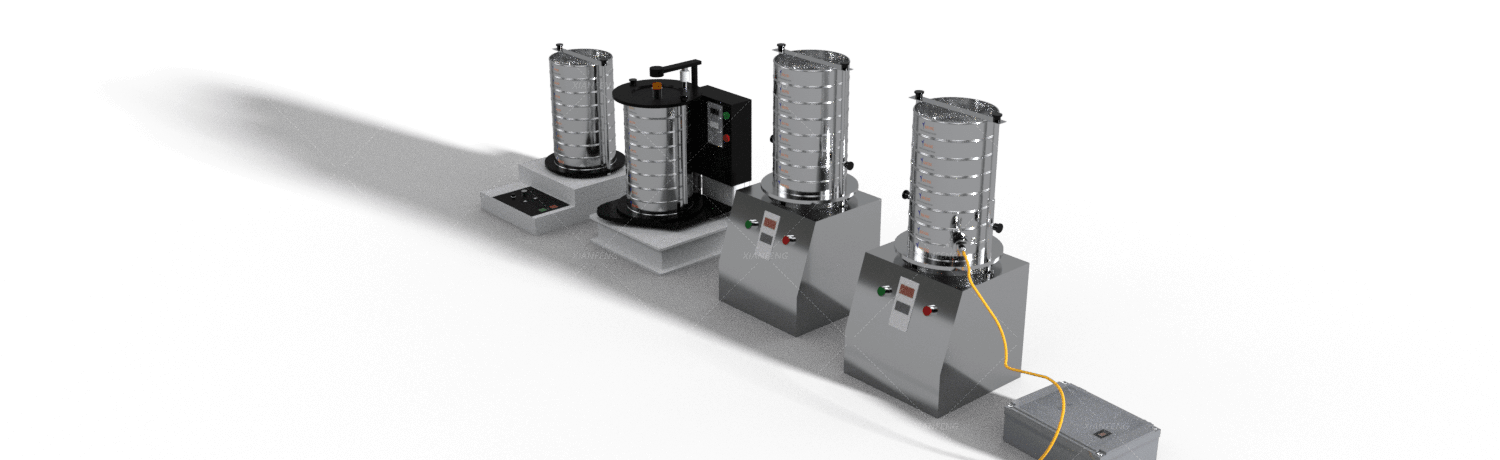
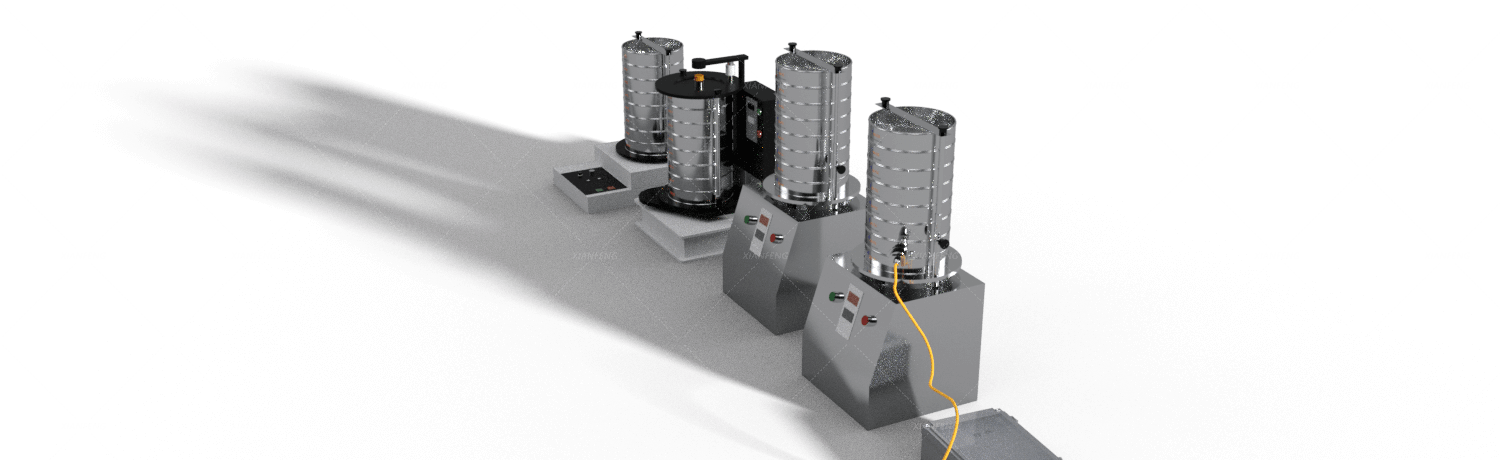
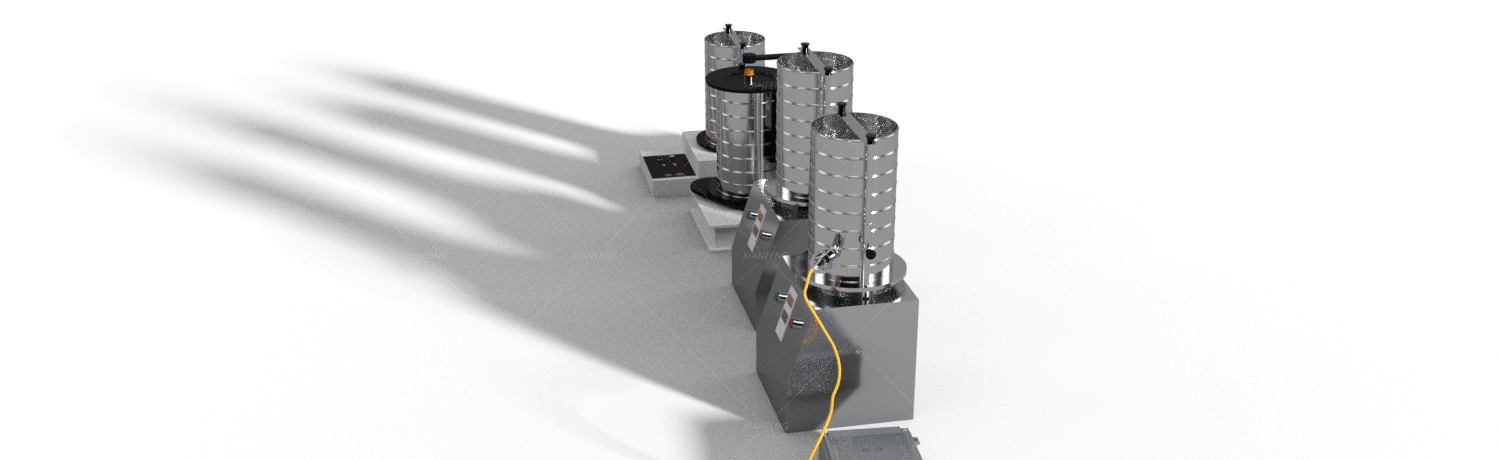
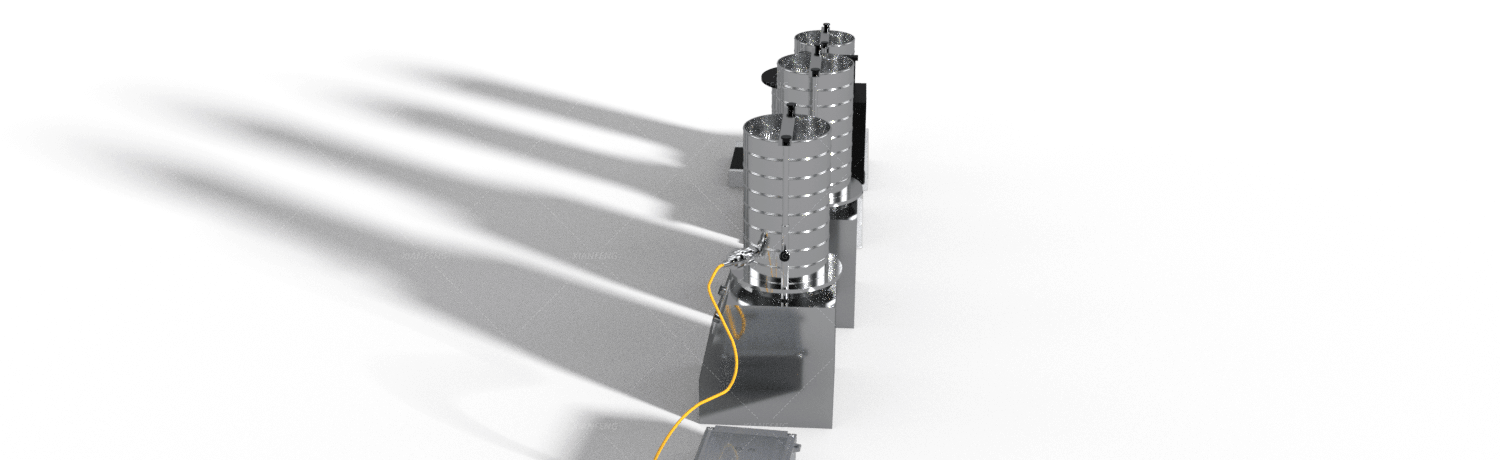
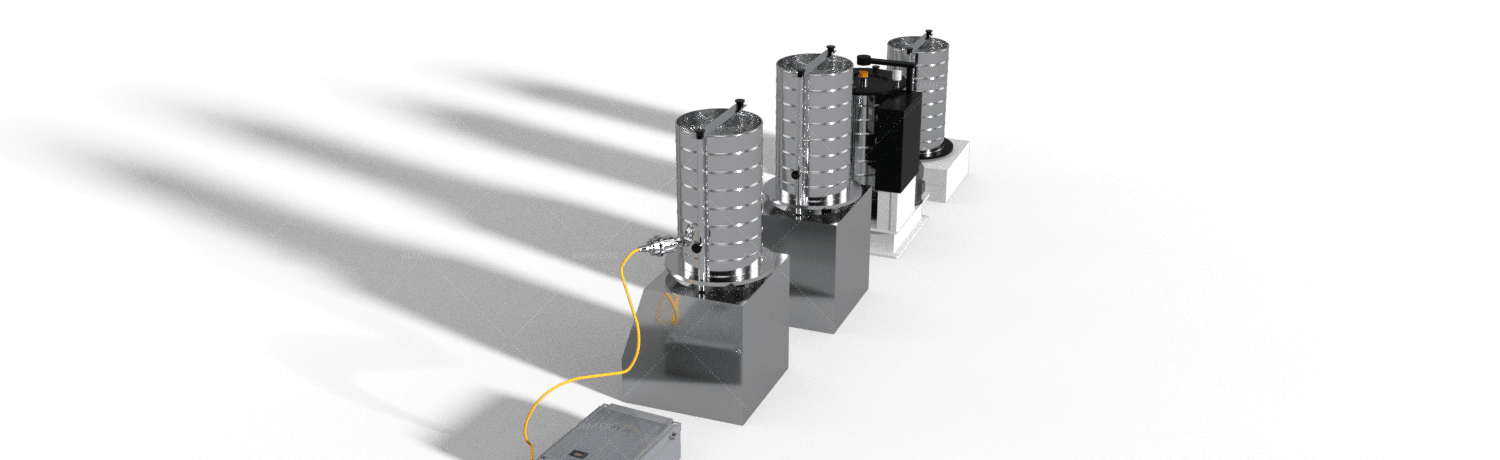
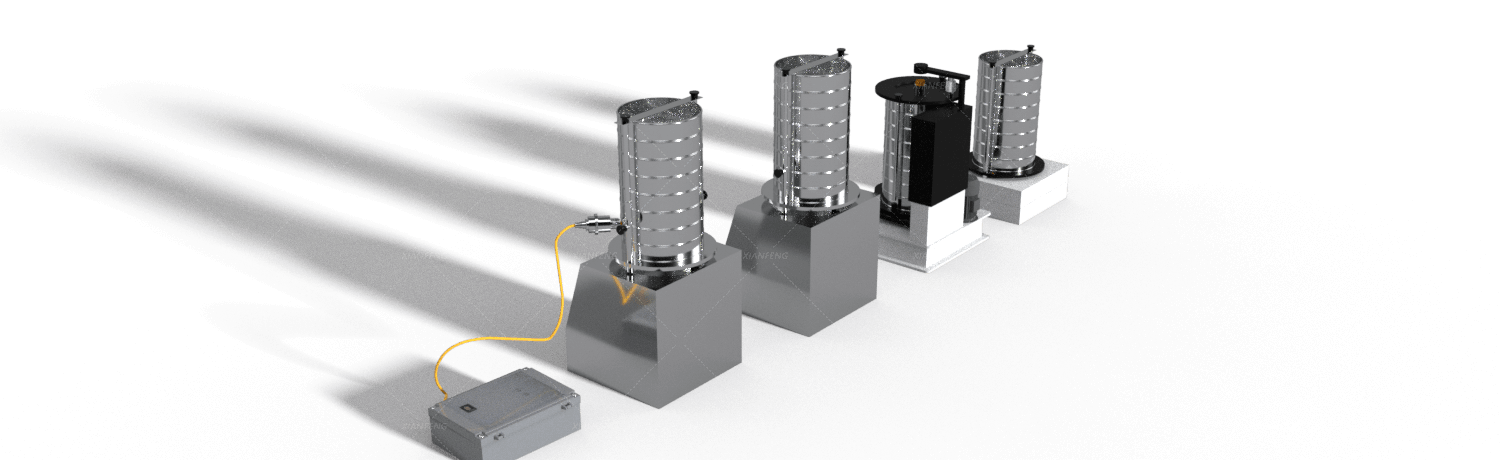
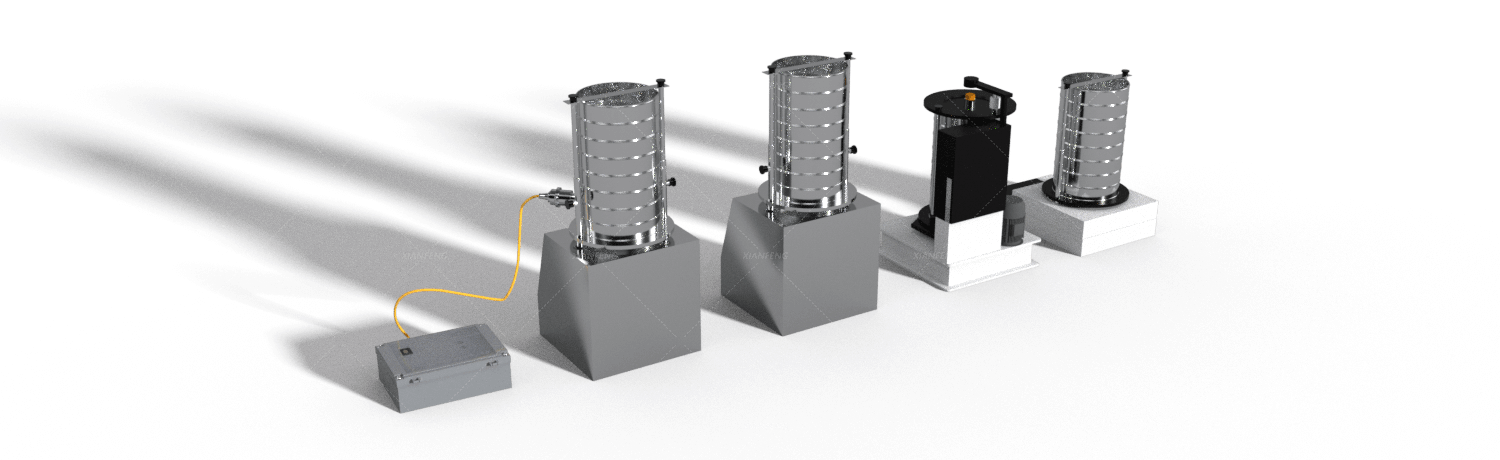
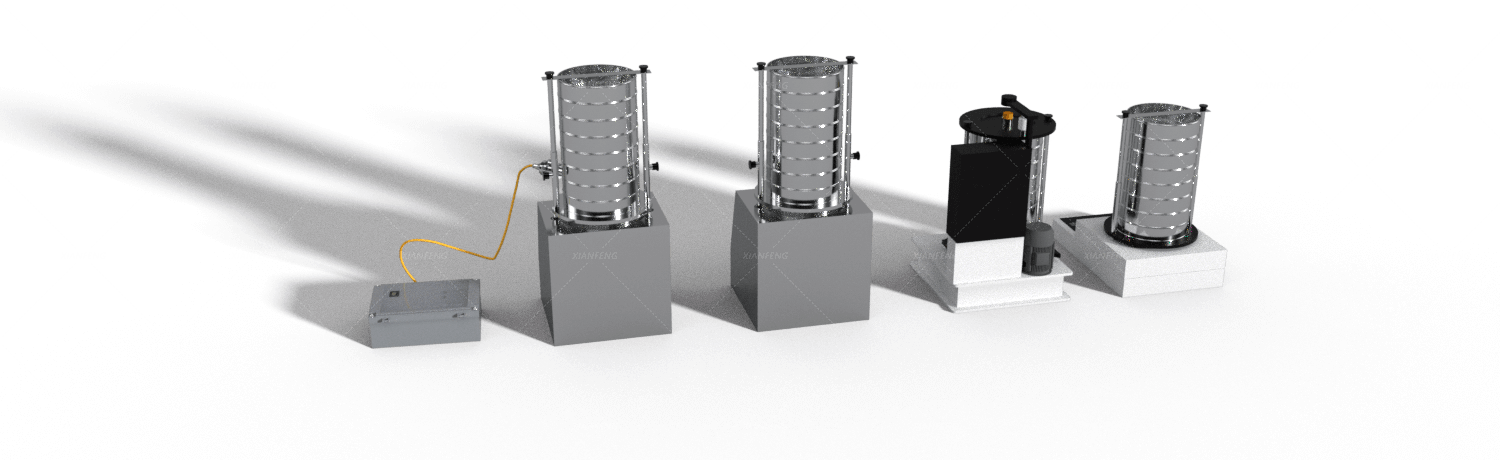
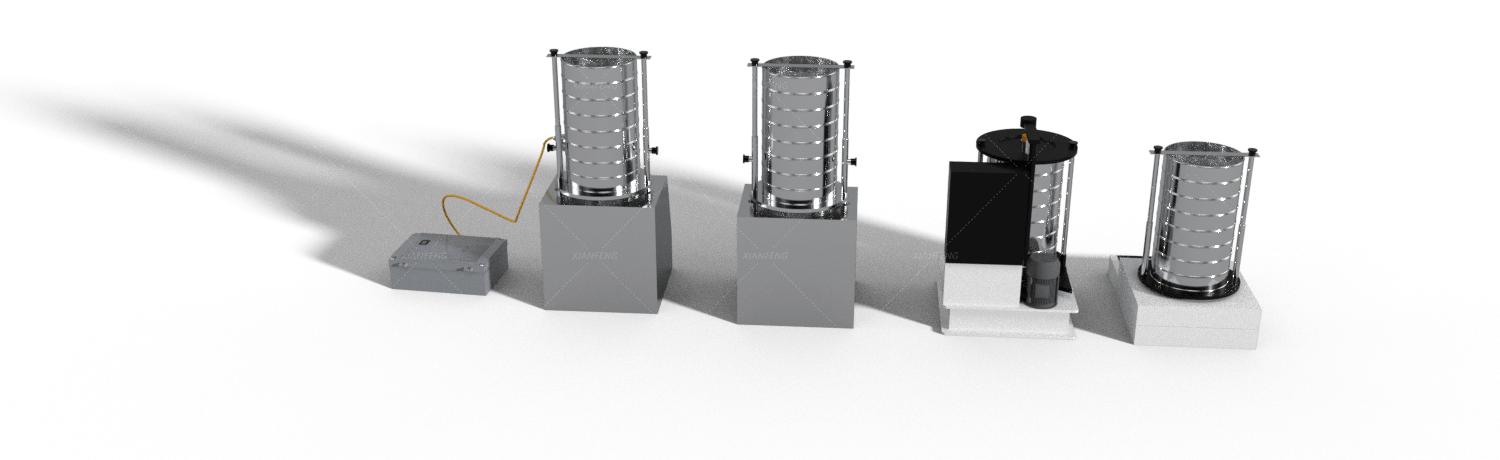
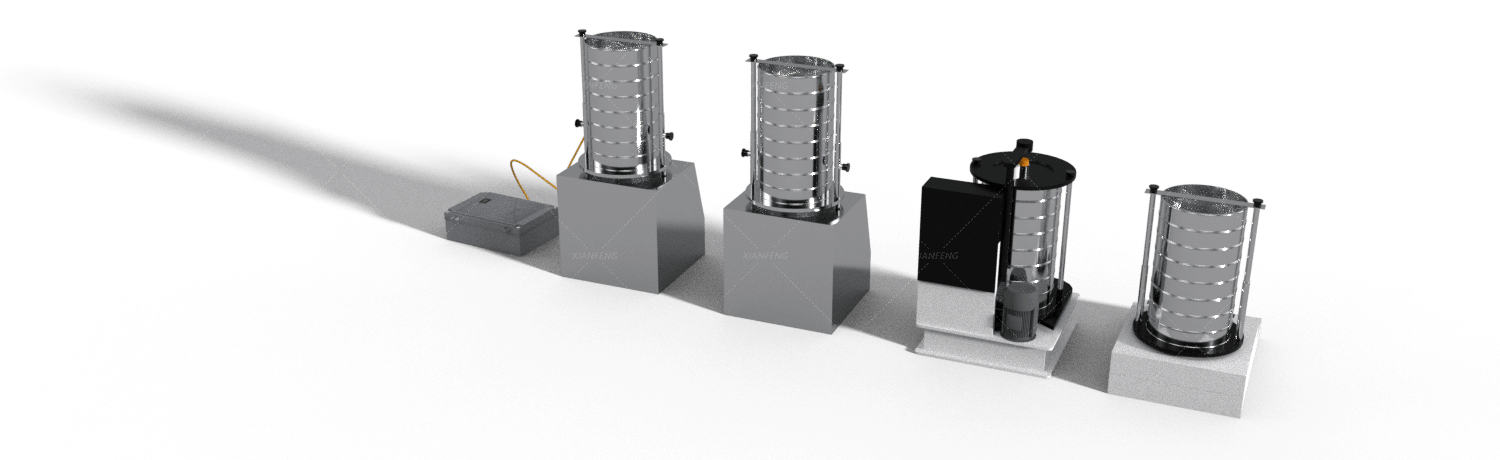
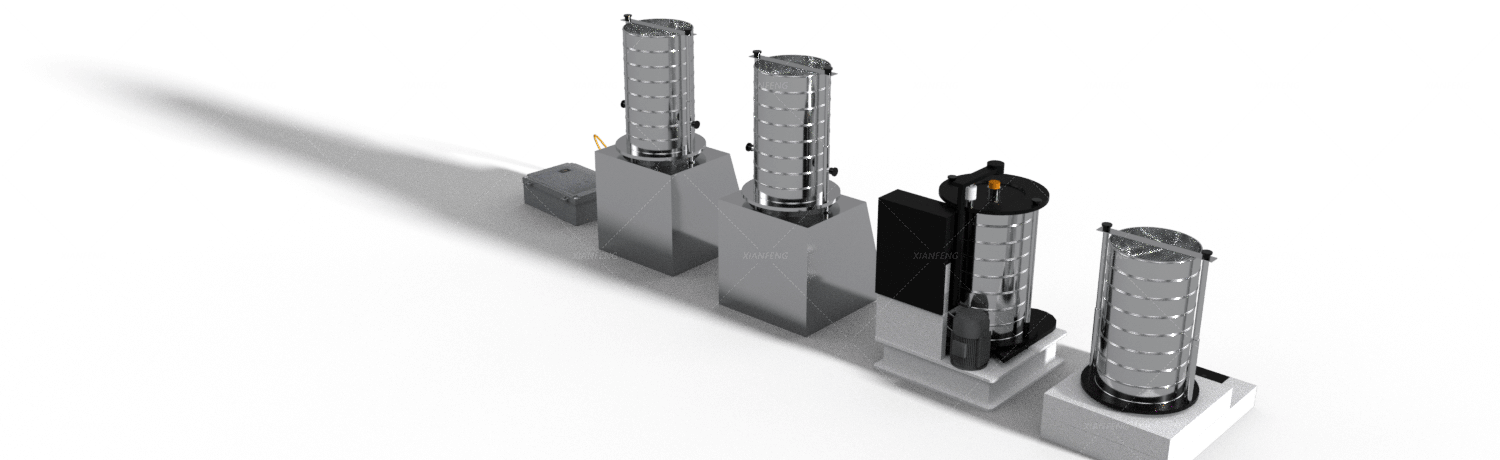
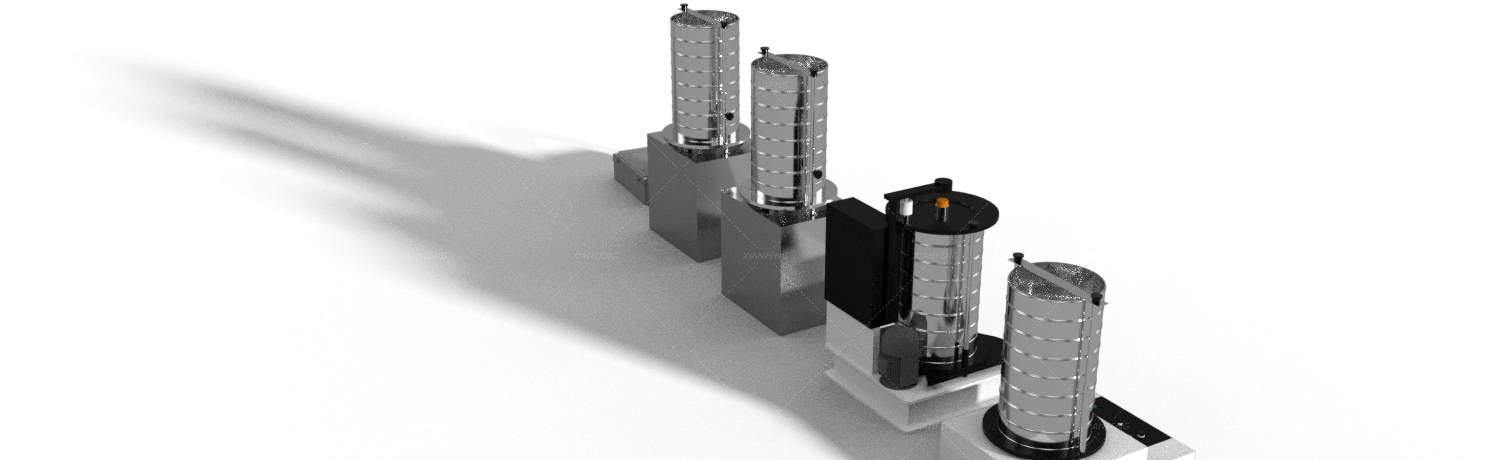
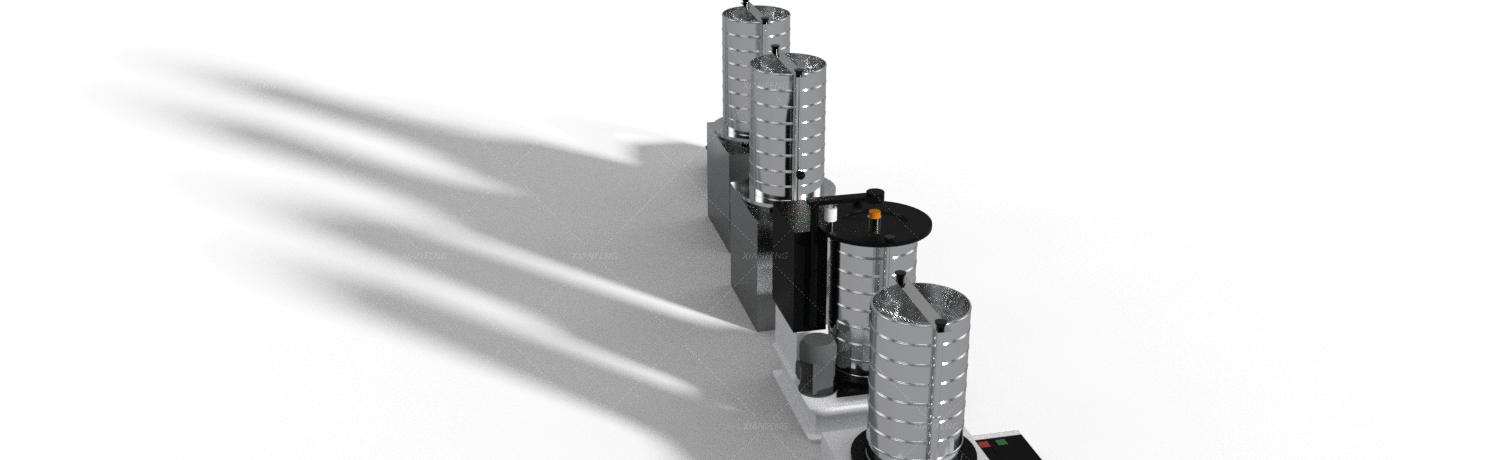
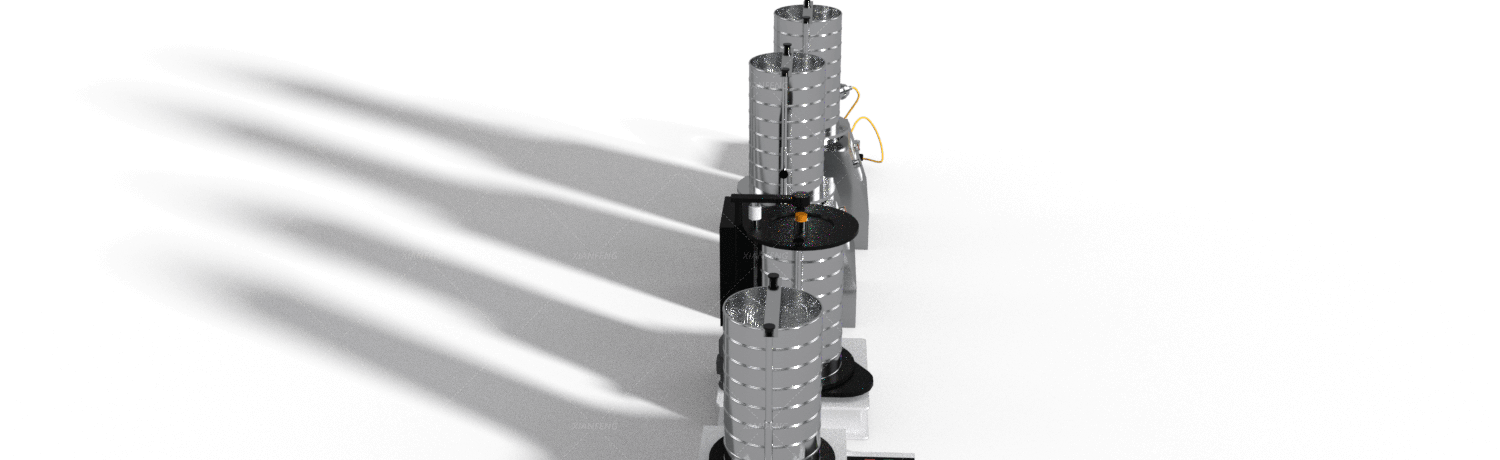
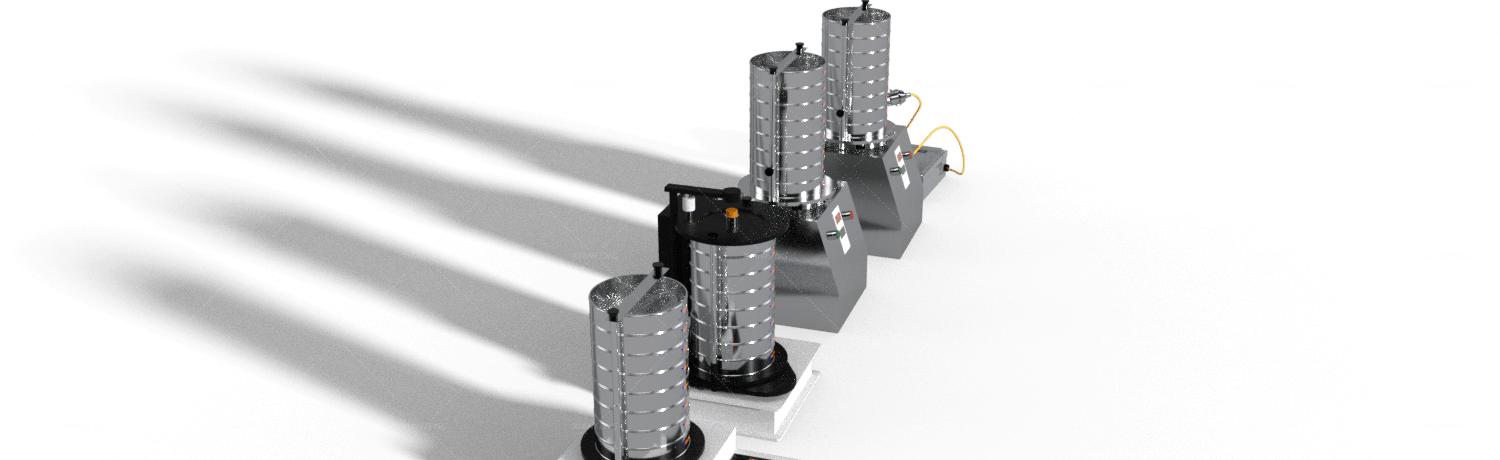
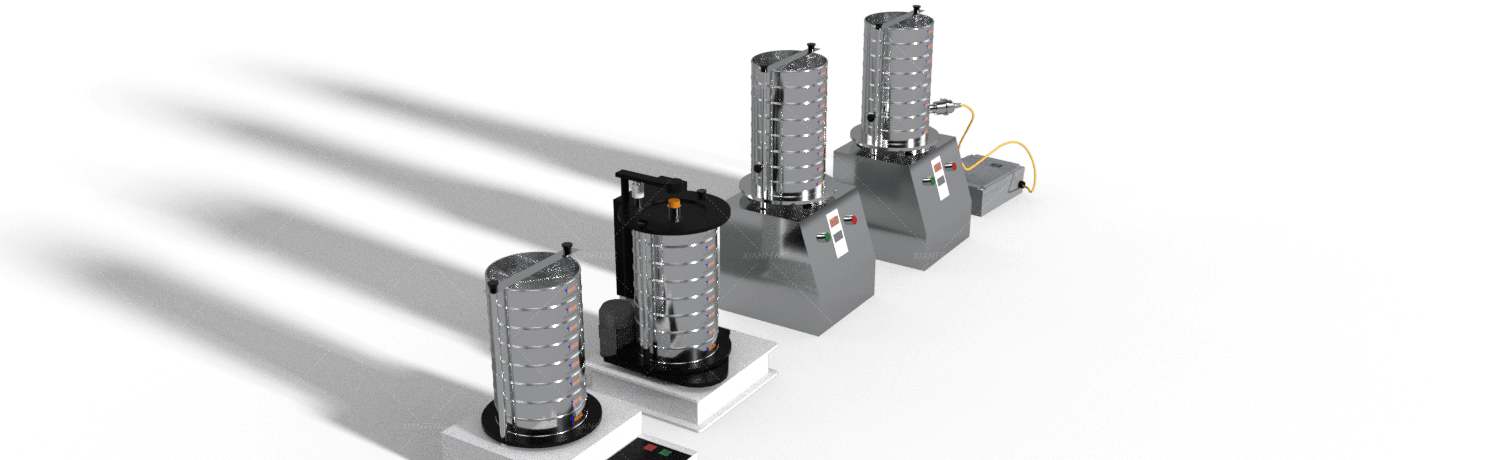
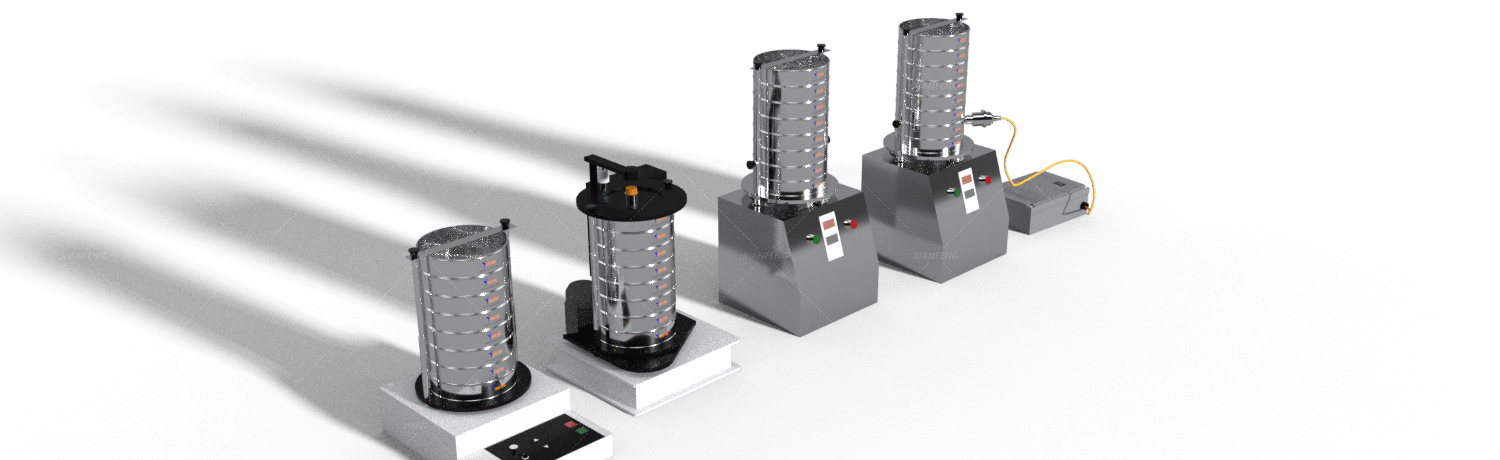
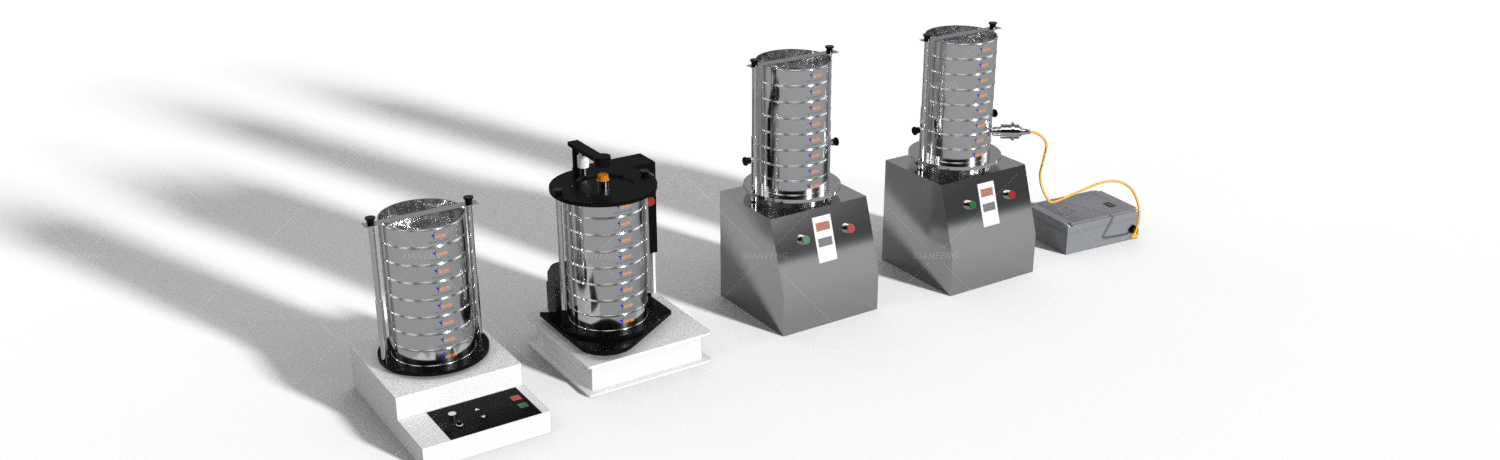
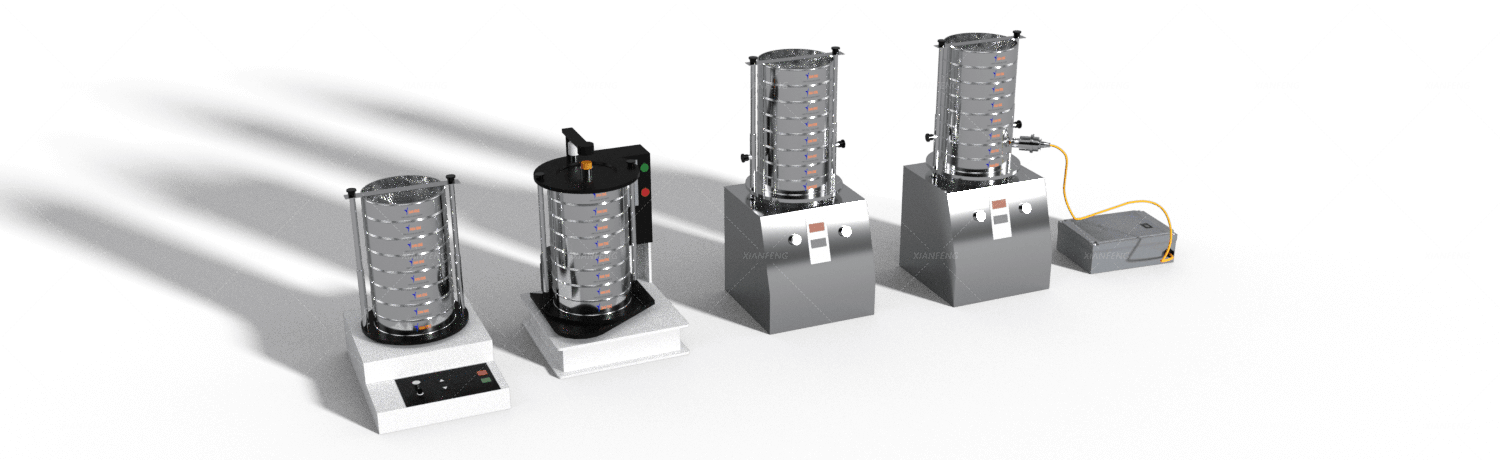
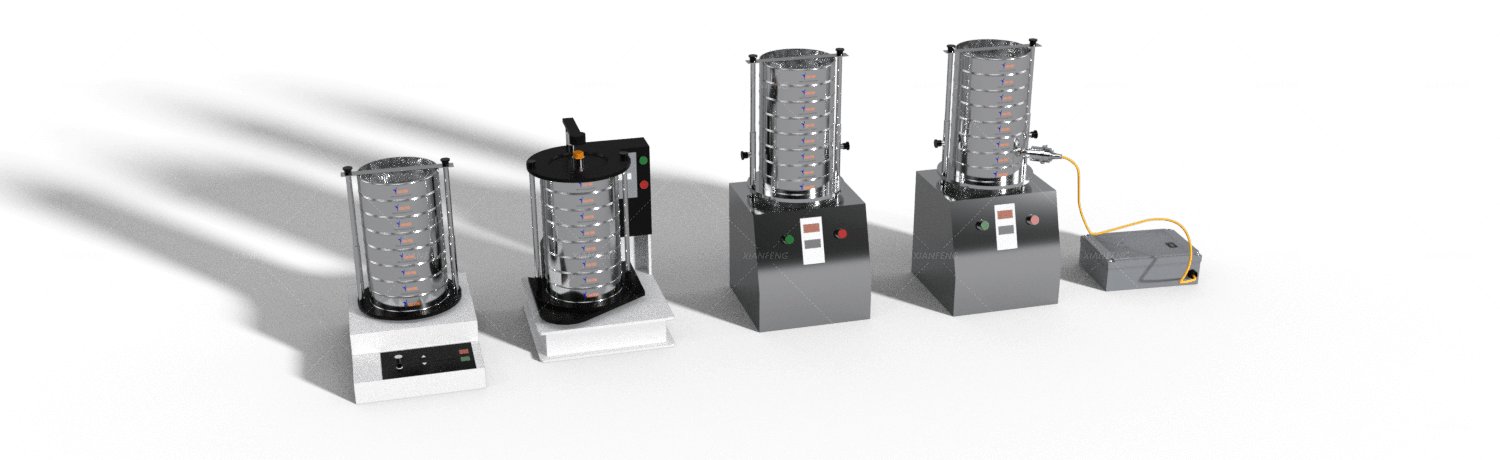
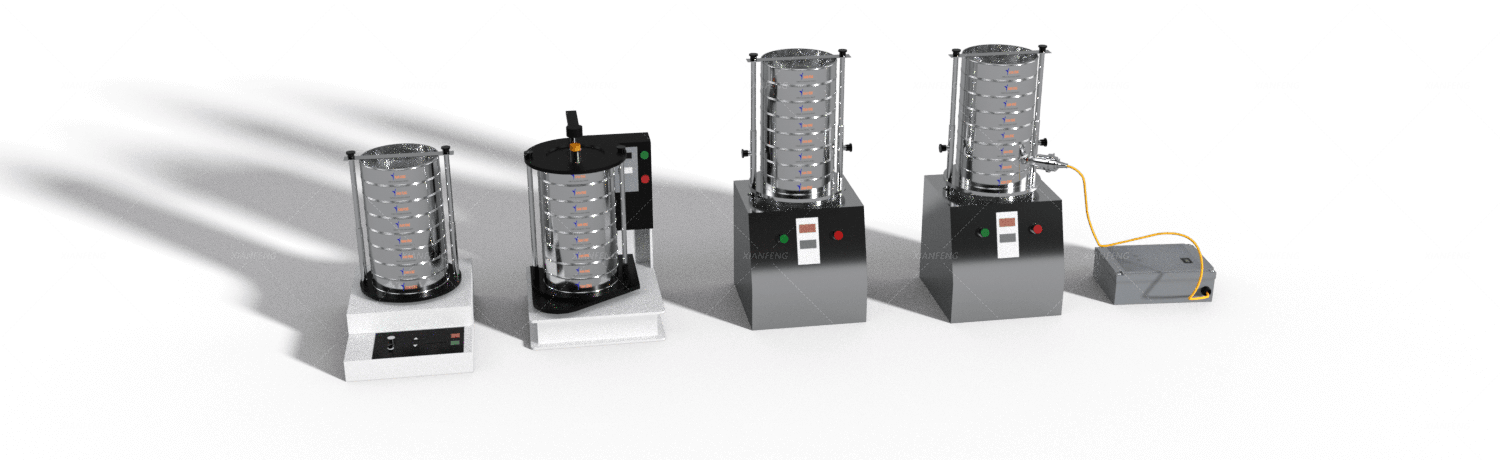
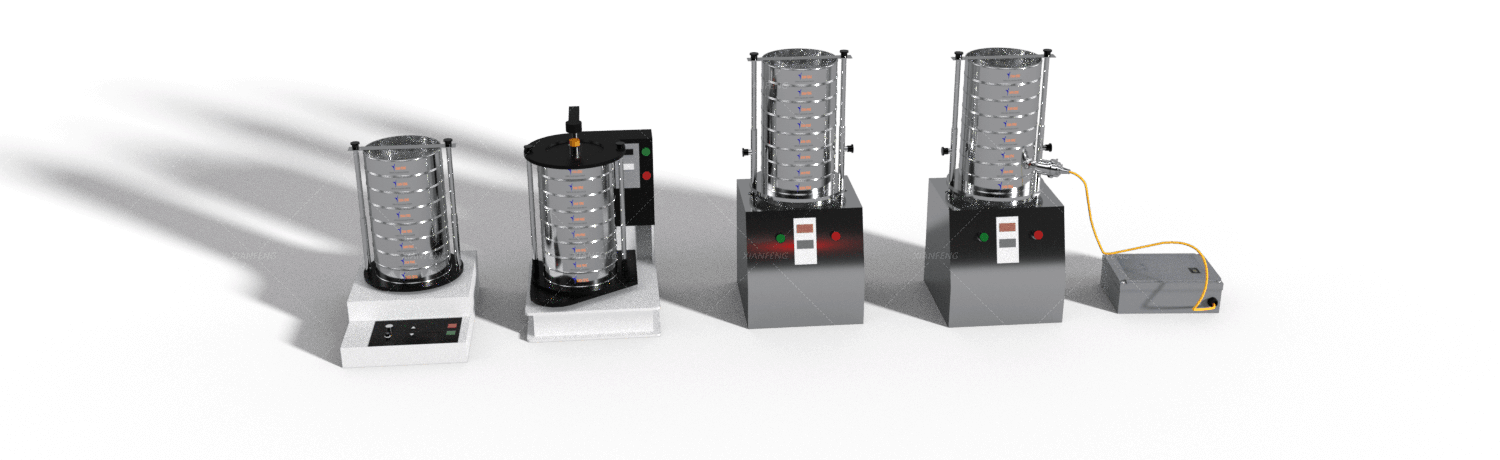
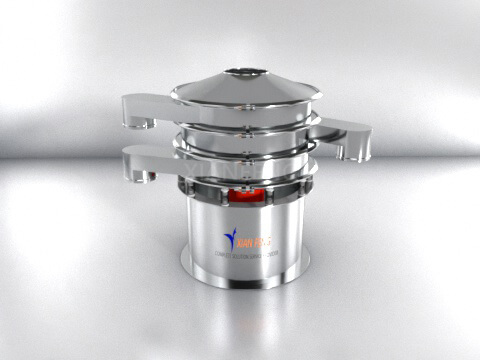
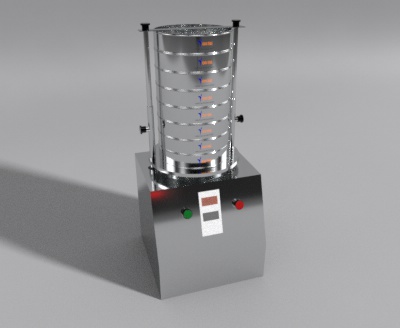
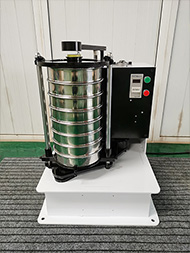
Sieve shaking machine, also known as test sieve or analytical sieve, is a specialized equipment used in laboratories and quality inspection fields for particle size and structure detection of granular and powdery materials, as well as filtration detection of liquid solid content and impurities. With standardized design, it ensures accurate and consistent detection results. There are four types: standard type, ultrasonic type, electromagnetic type, and tapping type, with common diameters of 200mm and 300mm, and screen frame mesh covering 8-1000 mesh.
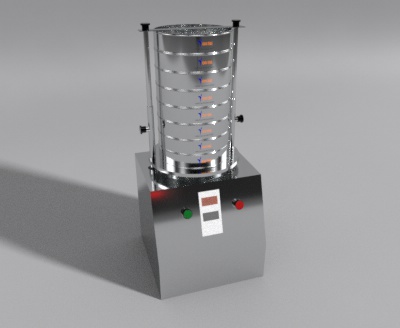
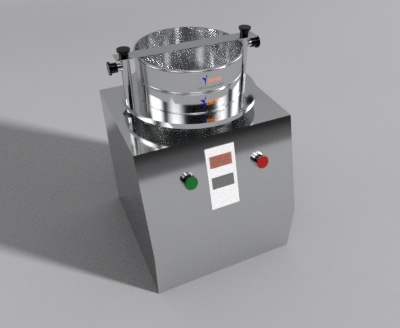
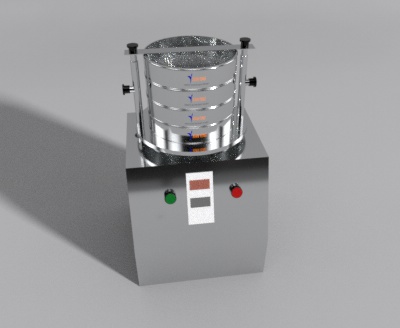
Flour, powdered sugar, milk powder, fruit juice, nuts, tea, dried flowers, pet food, etc.
Pills, pills, powders, capsules, intermediates, excipients, etc
Coatings, hydrochloric acid, resin particles, fluorescent powder, nitric acid, sodium hydroxide, sodium carbonate, etc
Coal, quartz sand, lime powder, cement powder, dry sand, soil, glass, talcum powder, etc
Iron powder, copper powder, aluminum powder, tungsten powder, titanium powder, nickel powder, zinc powder, etc

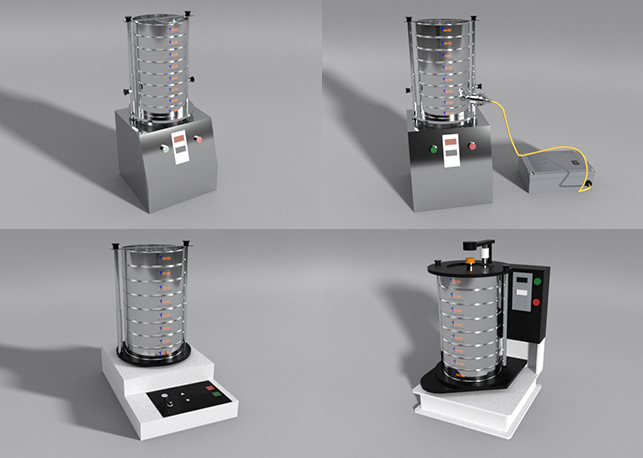
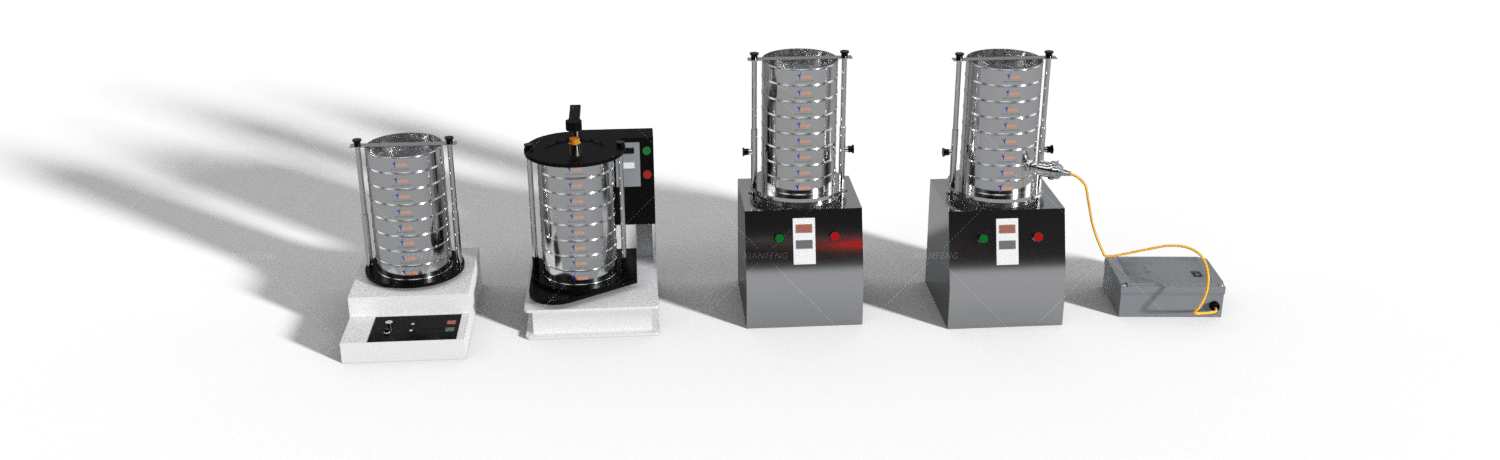
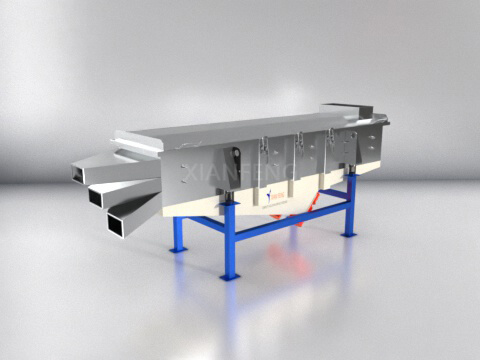
Conventional type
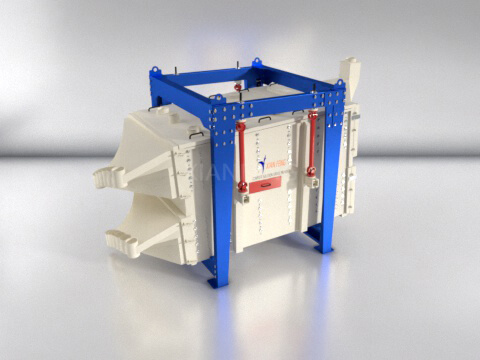
Ultrasonic type
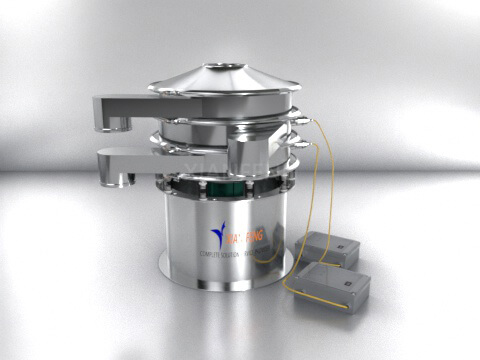
Electromagnetic type
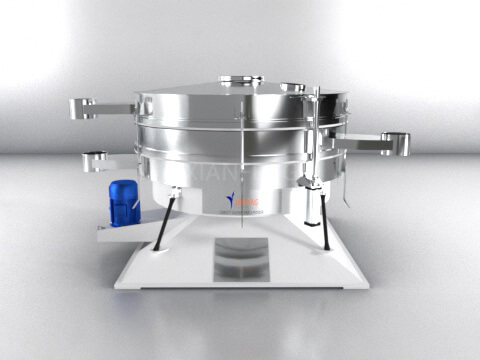
Beating type
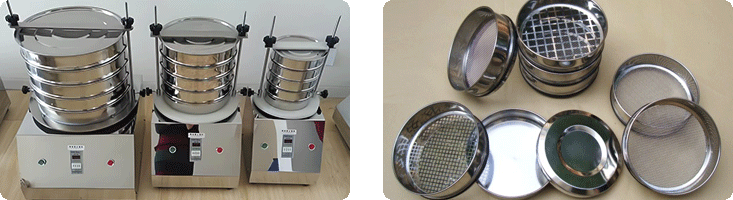
·No ultrasonic device added, vibration type
·Suitable for particle size detection of materials below 200 mesh
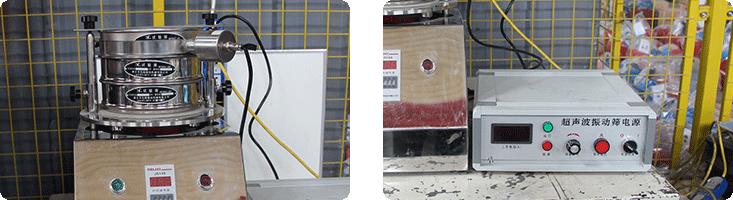
·Add ultrasonic device, vibration type
·Suitable for particle size detection of materials below 1000 mesh
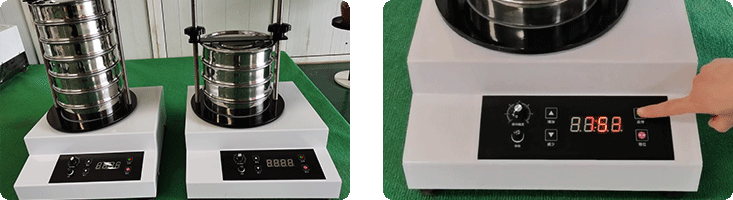
·Electromagnetic vibration type
·Suitable for fine powder screening, with adjustable frequency
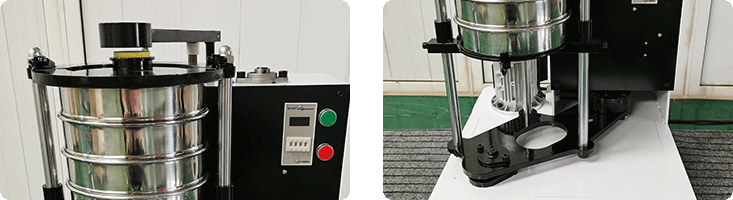
·Horizontal rotation motion+up and down tapping type
·Suitable for particle size inspection of materials that are prone to clumping and mesh blockage
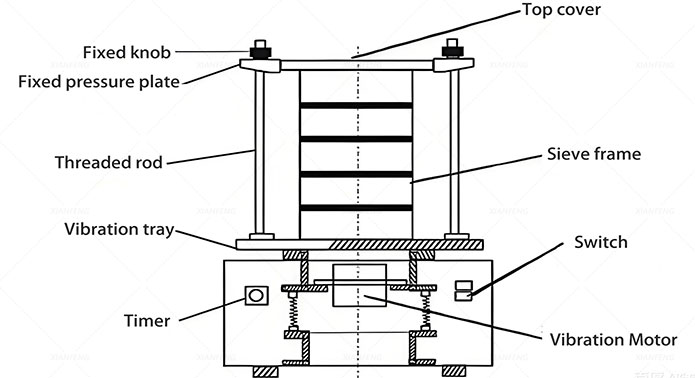
The testing sieve evenly transmits vibration force from the motor to the stacked layers of sieve frames (arranged from coarse to fine mesh sizes from top to bottom). Materials smaller than the sieve aperture pass through layer by layer and fall into the lower sieve frame, while those larger than the aperture remain in the current frame. Ultimately, each sieve frame collects materials corresponding to specific particle sizes, completing the determination of particle size composition. The equipment is equipped with a time relay to precisely control the sieving duration, ensuring the repeatability of test results. The ultrasonic vibrating screen incorporates an ultrasonic vibration system to address the agglomeration of materials above 200 mesh, eliminate electrostatic adsorption, prevent fine powder from clogging screen holes, and ensure smoother material passage, meeting the high-precision particle size testing requirements for fine powders.
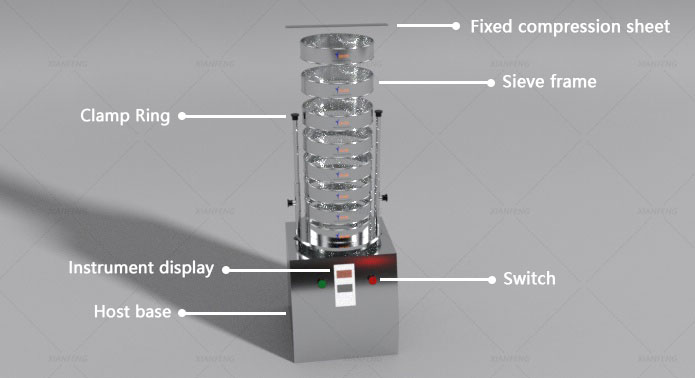
The main structure of the inspection screen consists of a sieve mesh, a sieve frame, a base, and a vibrator
Provides vibration force to drive the screening machine for vibration motion.
providing support and fixation for the screening area, usually welded from steel plates
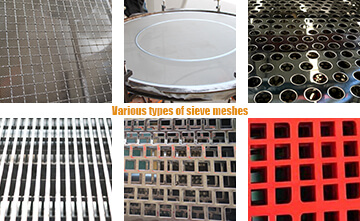
located at the top of the sieve box, usually made of stainless steel material, used for screening materials.
Ultrasonic device: used for screening and cleaning the sieve mesh of fine powder with a mesh size of 200 or more. Beating device: used to prevent clogging of sieve holes and adhesion of materials
Standard inspection and testing
Electromagnetic type inspection and testing
Beat type inspection test
| Model | Screen Dia. (mm) | Meshsize (mesh) | Screen layers | Motor power (kw) |
| XF-200 | φ200 | 2-1000 | 1-8 | 0.18 |
| XF-300 | φ300 | 2-1000 | 1-8 | 0.18 |
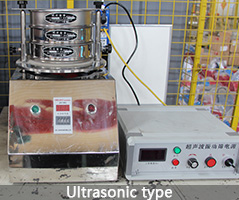
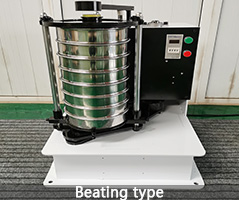
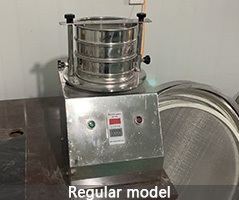
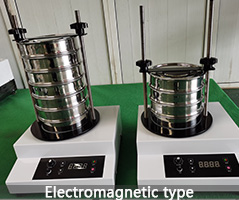
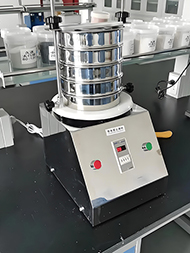
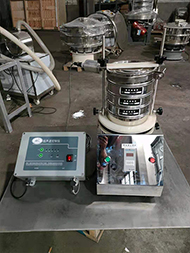
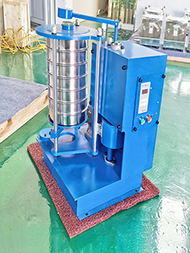
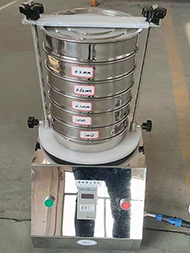
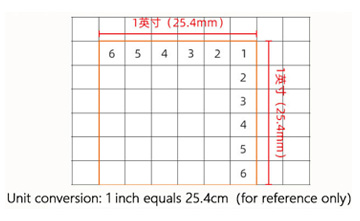
① Screen frame diameter: Conventional selection of 200mm or 300mm ② Mesh matching: Select the screening particle size based on the material target, with 8-40 mesh suitable for coarse particles (such as ore coarse powder), 40-100 mesh suitable for medium particles (such as feed raw materials), 100-200 mesh suitable for fine powders (such as flour and ordinary chemical powder), and it is recommended to use an ultrasonic system for fine powders above 200 mesh; ③ Suggestion: If unsure, material samples can be provided and our company can assist in completing the mesh size adaptation test
1. Inspection sieve: suitable for conventional non adhesive powders and particles (such as sand and gravel, plastic particles, feed particles) 2. Ultrasonic inspection sieve: ultrafine powder (over 200 mesh, such as graphite powder, pharmaceutical powder) 3. Beating sieve: Difficult to sieve my materials (such as flour, starch, fiber materials, irregular mineral powder) 4. Electromagnetic sieve: high-precision particle size detection (such as pharmacopoeia powder, electronic material powder, scientific research experimental samples)
23 years dedicated to the R&D and manufacturing of screening & conveying equipment [Proven expertise to deliver one-stop customized solutions]
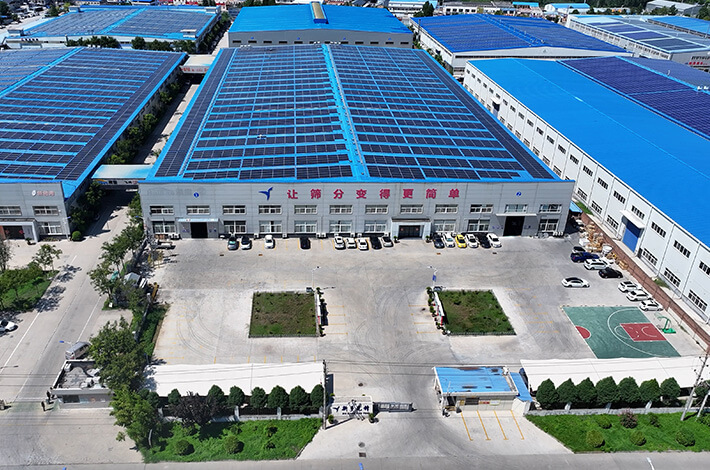
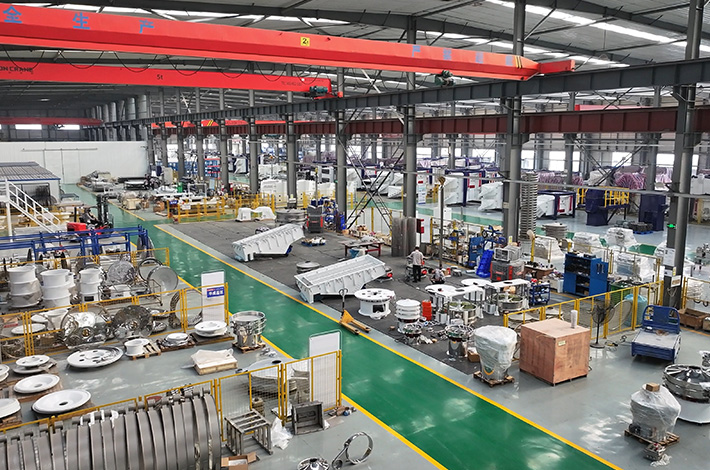
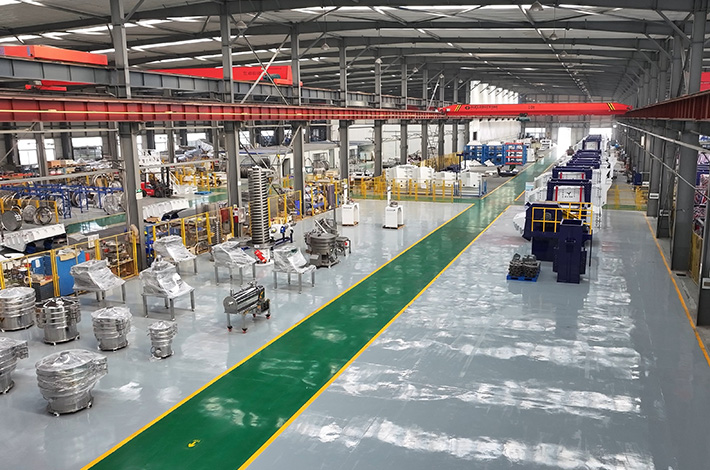
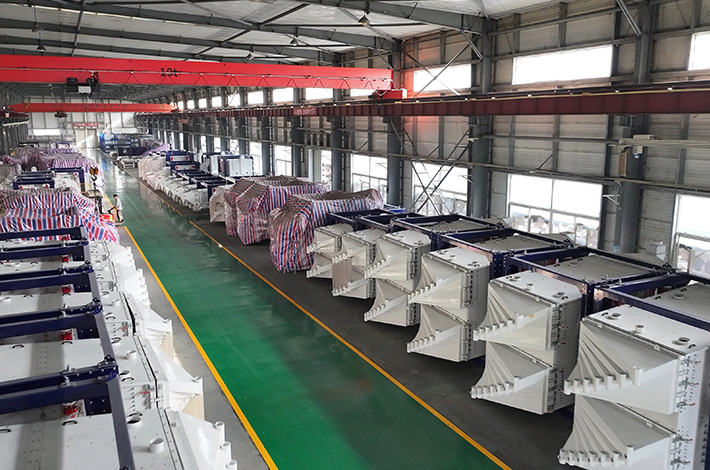
40,000 ㎡ production base | Direct manufacturer [No middlemen – cost-effective pricing]
50 technical patents, CE & ISO certified [Mature technology with reliable quality]
20 years of global export experience Products sold to over 70 countries [professional full-cycle service support]
Ensure your product quality and reputation.
Our professional solutions are designed to maximize your production efficiency.
Reduce production downtime, resource waste, and maintenance issues.